JOURNAL
Ise Jingu: the shrine rebuilt every twenty years
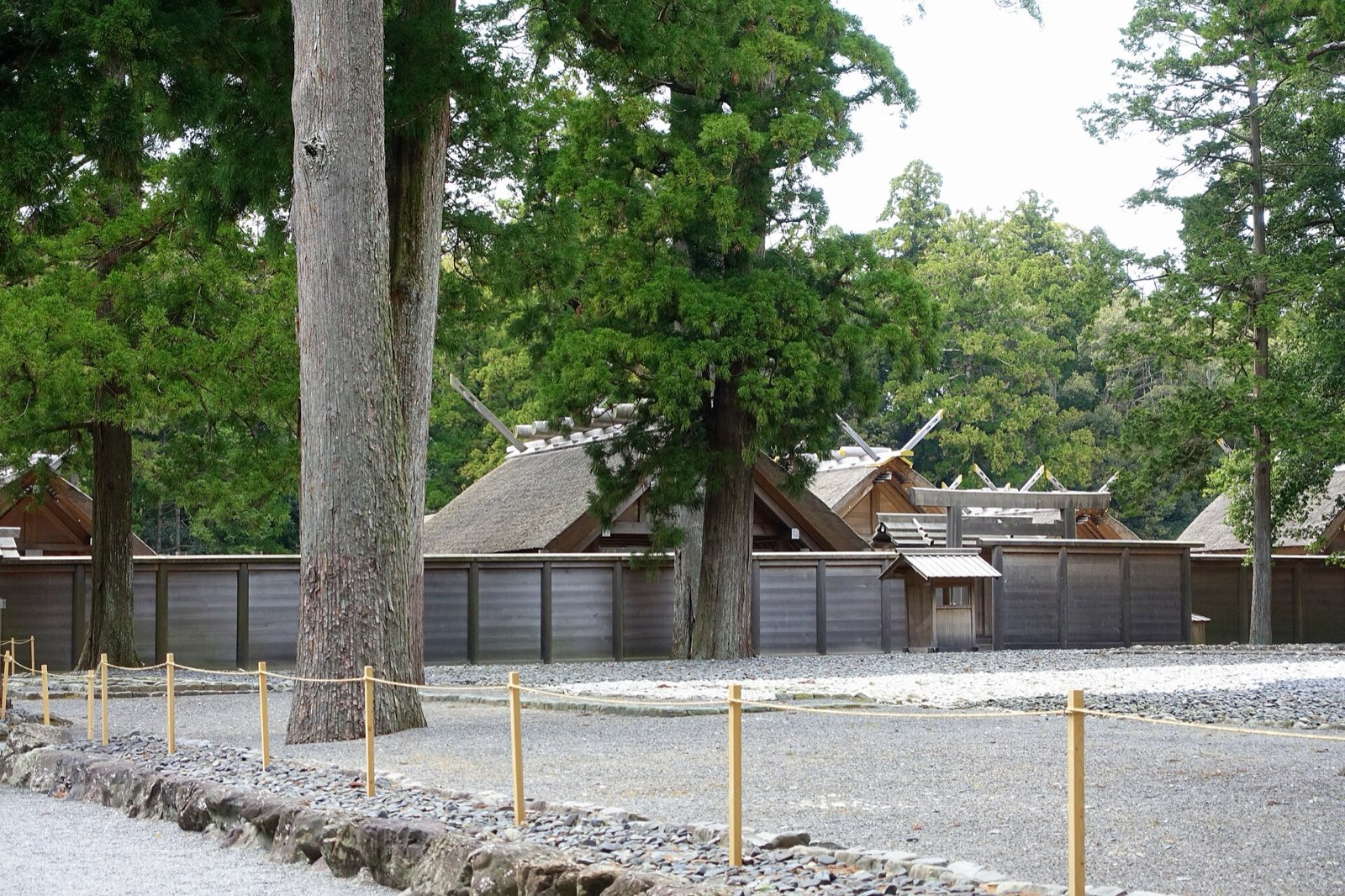
In the forests of Ise, in Mie Prefecture, stands Ise Jingu. Every twenty years, its main sanctuaries are built again from new timber, on the site beside them, in the same form as before. This is the story of the shrine — and of why it renews itself.
What is Ise Jingu?
Its official name is simply “Jingu” — “the shrine”. It is not a single building but a group of 125 shrines in Ise and the surrounding area.
At its centre are two. Naiku, the Inner Shrine, is dedicated to Amaterasu-Omikami, the ancestral kami of the Imperial family. Geku, the Outer Shrine, is dedicated to Toyo’uke-no-Omikami, who blesses people with abundant harvests and is the guardian of well-being. Together with 123 smaller shrines, they make up the 125 shrines of Jingu.
The buildings follow shinmei-zukuri, an ancient style that Ise Jingu describes in terms of the beauty of simple straight lines and of plain, unpainted wood.
A history of about 2,000 years
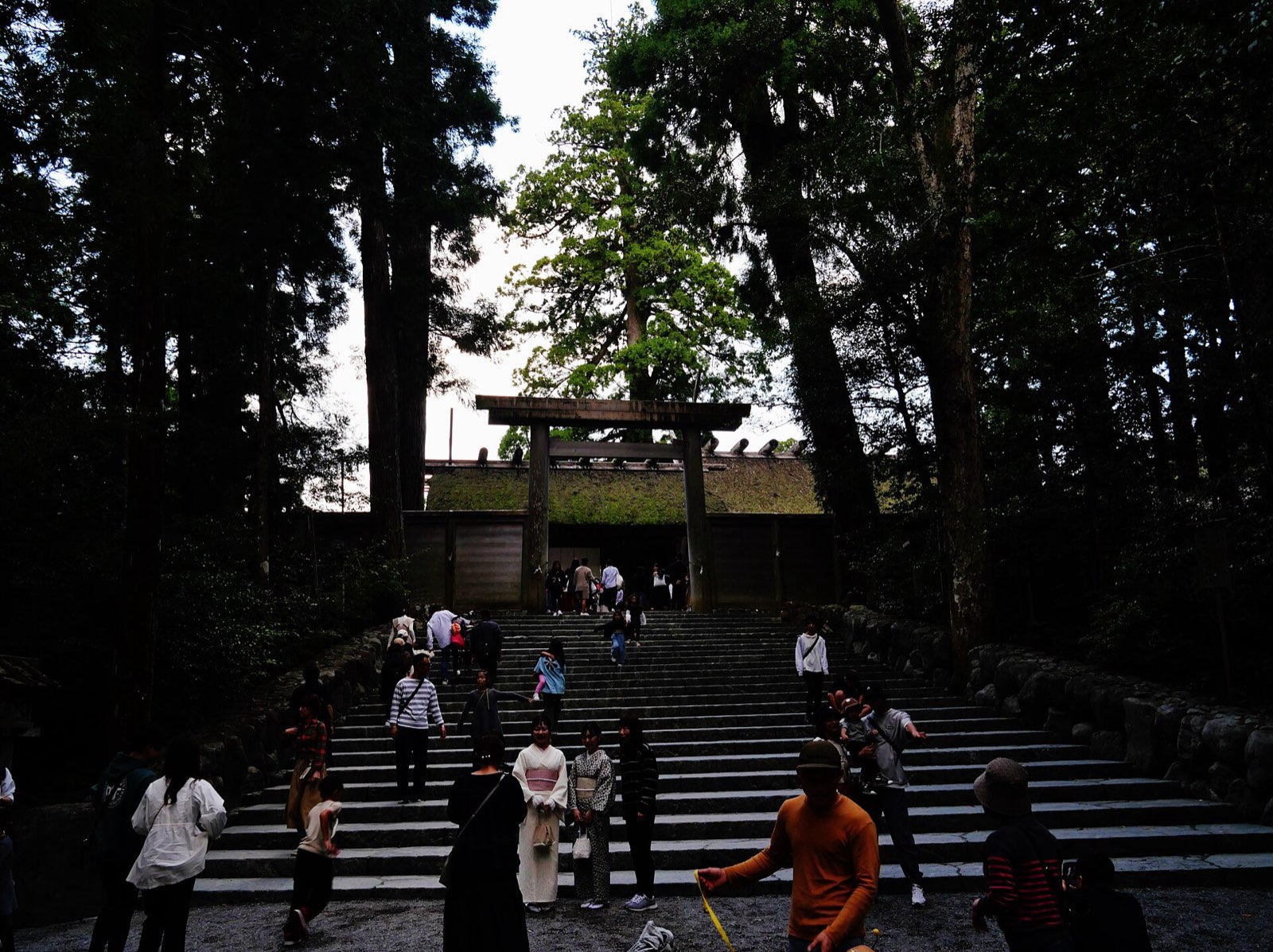
According to Ise Jingu, the story of Naiku goes back about 2,000 years. In the time of the 10th emperor, Sujin, Amaterasu-Omikami — until then worshipped inside the imperial palace — came to be enshrined outside it. Later, Yamatohime-no-Mikoto, a daughter of the 11th emperor, Suinin, built a shrine for the kami on the upper reaches of the Isuzu River, where Naiku stands today.
Geku followed about 500 years later. In the time of the 21st emperor, Yuryaku, about 1,500 years ago, Toyo’uke-no-Omikami was invited from the north of what is now Kyoto Prefecture and enshrined in Ise.
Rebuilt every twenty years: the Shikinen Sengu
Shikinen Sengu means “the moving of the shrine in the appointed year”. Every twenty years, new sanctuaries of the same dimensions are built on the site beside the old ones, and the kami are moved into them. Ise Jingu calls it the greatest festival in Japan.
It is not only the buildings that are made new. The sacred garments and treasures offered to the kami — 714 kinds, 1,576 items in all — are made again too, following old precedent.
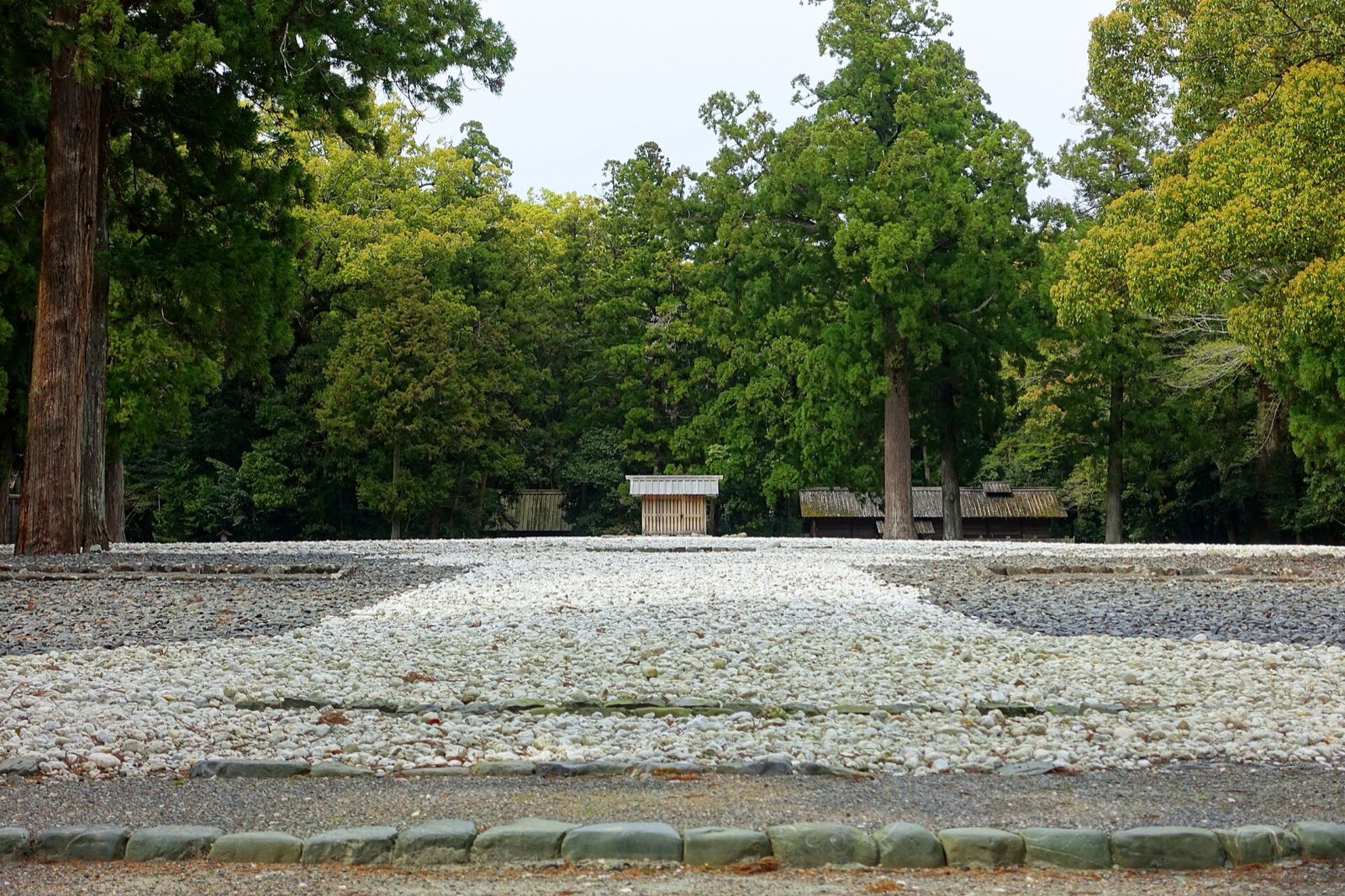
Naiku and Geku each have two sites of the same size, side by side, east and west. While one holds the sanctuary, the other waits, empty, for the next. Only during a Sengu can the old and the new buildings be seen standing next to each other.
Naiku and Geku each have two sites of the same size.
The first Shikinen Sengu of Naiku was held in 690, in the reign of the 41st emperor, Jito. It has been carried on for more than 1,300 years; the 62nd took place in 2013. The work takes about eight years: the festivals for the 63rd began in 2025, and its most important ceremony, Sengyo — when the kami moves into the new sanctuary — will be held in the autumn of 2033.
From the first Shikinen Sengu of Naiku to the 63rd.
Why every twenty years?
Old records — the Kotaijingu Gishikicho and the Engishiki — set the twenty-year interval, but Ise Jingu notes that none of them gives the reason. Many have been suggested, among them:
- to keep the dignity of buildings made of plain, unpainted wood with thatched roofs;
- to pass on, from one generation to the next, the skills of the shrine carpenters and of the craftspeople who make the sacred treasures.
There is no settled answer. What matters most, the shrine says, is that the same unchanging rituals go on being held in sanctuaries that are always new and fresh. Ise Jingu describes this ideal with the word tokowaka — “always young”.
A pillar’s sixty years
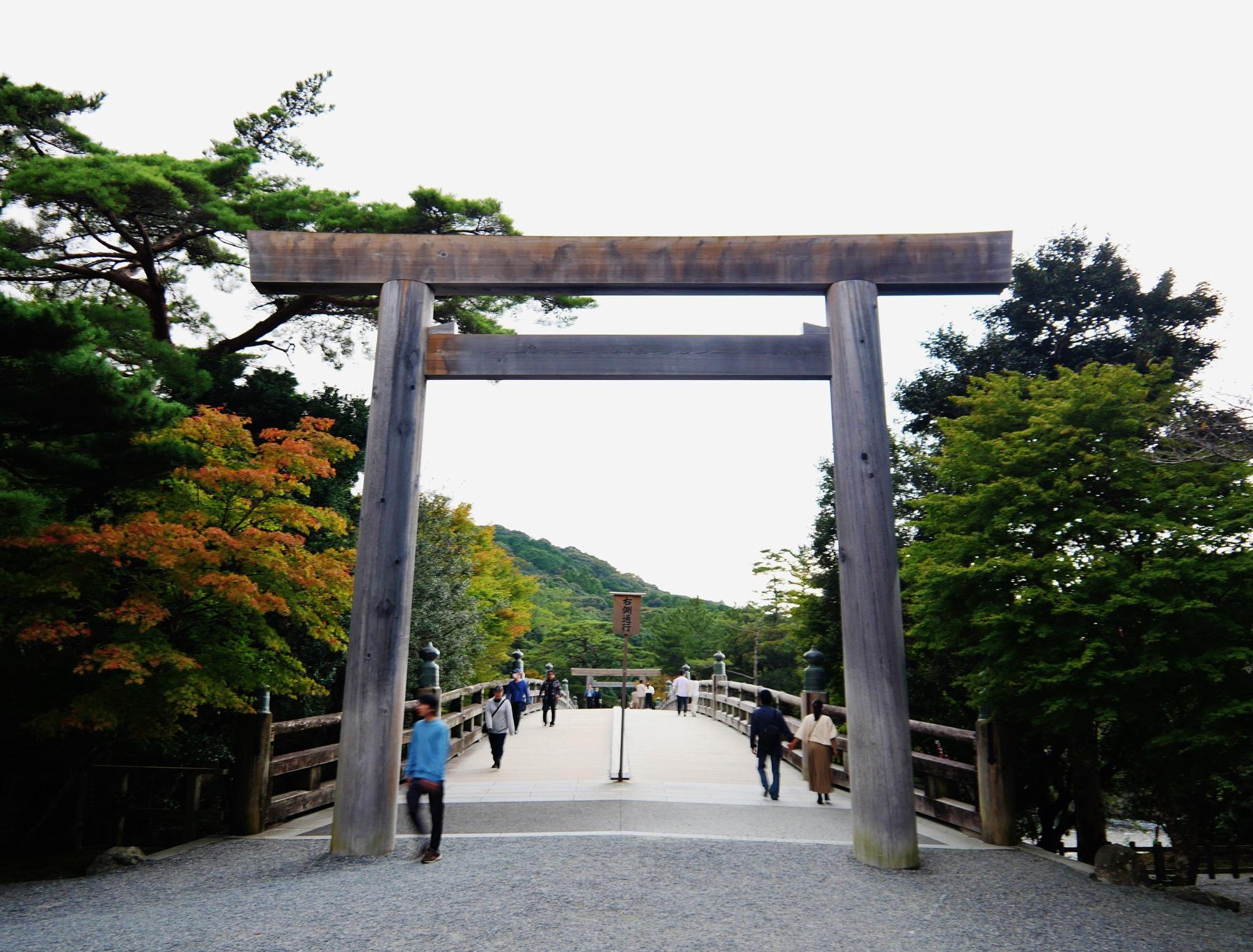
Little is thrown away. The Uji Bridge, the 101.8-metre wooden bridge that carries visitors over the Isuzu River into Naiku, has been rebuilt with each Sengu since the 56th, in 1889. The present bridge opened on 3 November 2009; the next is due to open in the autumn of 2029, four years before the Sengyo.
At each end of the bridge stands a great torii gate, 7.44 metres tall. The inner one is made from the ridge-supporting pillar (munamochi-bashira) of Naiku’s old main sanctuary; the outer one from that of Geku. Twenty years later they move on again: the inner torii becomes the gate at Seki no Oiwake, at the foot of the Suzuka Pass, and the outer one the gate at Shichiri no Watashi in Kuwana. Each pillar serves for sixty years in all.
60 years in all
Visiting Ise Jingu
Visitors from around the world are welcome. Before you go, check Ise Jingu’s official English website for access, opening hours and etiquette. Photography is restricted in parts of the sacred grounds, so please follow the signs and the shrine’s guidance.
From Ise, at home
A kamidana is a small shrine for the home. Ours are made by a workshop in Ise with over 100 years of history, from unpainted hinoki, with straight roofs and pillars in the same architectural tradition as the shrines of Ise.
Sources
- Ise Jingu, “About Ise Jingu”
- Ise Jingu, “Rituals: Shikinen Sengu”
- 神宮「神宮について」
- 神宮「神宮の歴史」
- 神宮「式年遷宮」
- 神宮「式年遷宮について」
- 神宮「第63回神宮式年遷宮について」
- 神宮「宇治橋」
Facts in this article are drawn from the official website of Ise Jingu (checked 29 October 2026).